A little less backtracking
How to group Paris sights by neighbourhood
Start with the visit you care about most. Build a small area around it, rather than joining every famous sight into one exhausting walk.
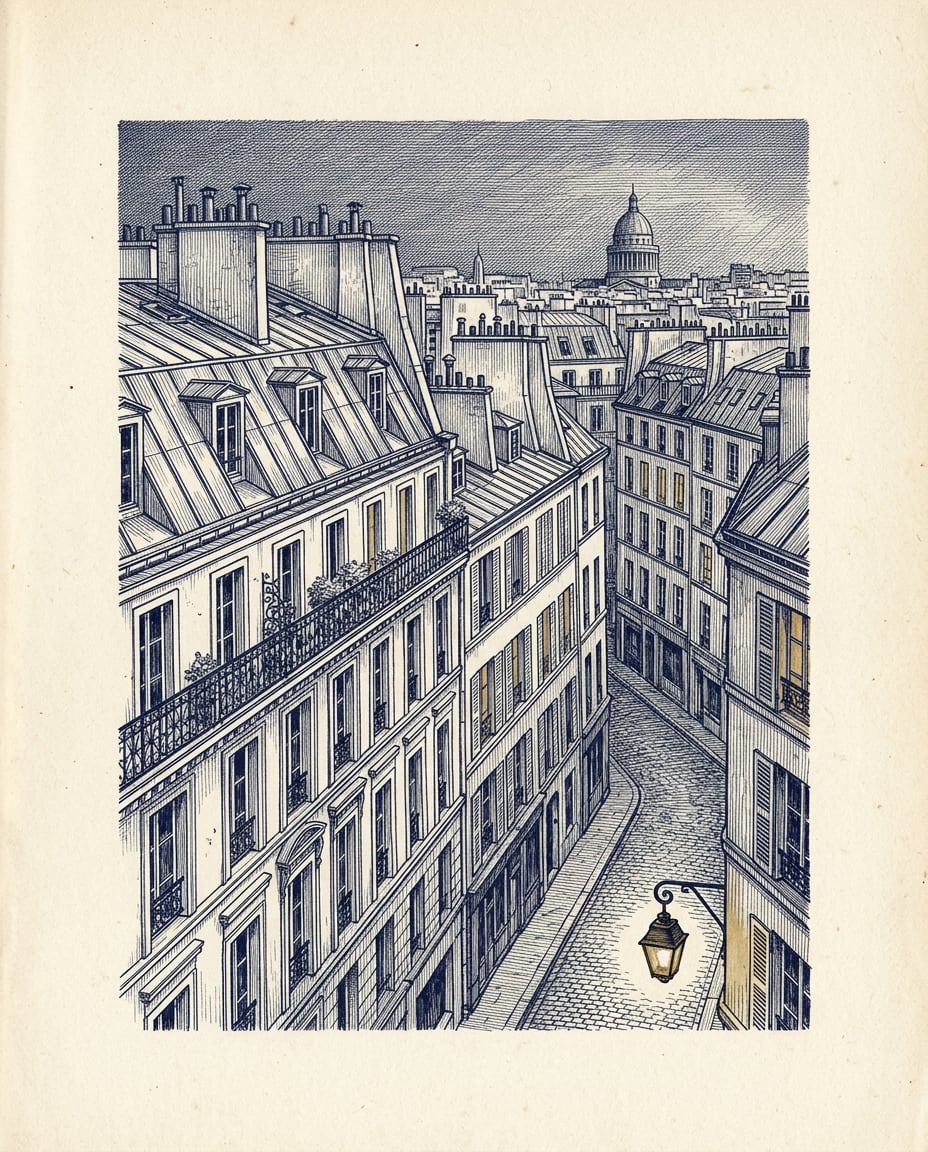
These are flexible planning groups, not a fixed itinerary or formal neighbourhood boundaries. Use the ones that suit your interests, on whichever dates your bookings allow. You do not need to complete every group, or every stop within one.
A method you can use with any shortlist
- Choose one anchor: a museum interior, a monument booking or an area you want to explore. Put its confirmed entry time into your plan first.
- Place your other choices on a map. Keep two nearby possibilities around that anchor: perhaps a garden and a street to wander. Save distant favourites for another day.
- Check the actual walking route, not just the straight-line distance. Include the journey from your accommodation, river crossings, hills and the return afterwards.
- Leave a lunch break and an unbooked stretch. If the day feels crowded, remove an optional stop before shortening every visit.
An arrondissement number is a useful address clue, not a walking budget. Two sights in the same arrondissement can still make an ambitious pairing. Nearby sights across a boundary may fit better together.
Louvre and Tuileries: a museum with an outdoor pause
Make the Louvre your anchor if you want an indoor visit. The Tuileries garden lies between the museum and Place de la Concorde, giving you a natural outdoor continuation. Keep Concorde optional; reaching the far end of the garden is not an obligation.
Choose a few collections before entering, then leave room for lunch and sitting outside. A garden walk is a useful counterweight to a long museum visit, not another appointment. If art is not your priority, an exterior stop can replace the interior.
Check the Louvre admission rules before choosing your date: timed booking is recommended, and required during some periods, with listed exemptions. Garden access varies seasonally; see the official garden information and Tuileries location.
Île de la Cité and the northern Latin Quarter
Sainte-Chapelle and Notre-Dame are both on Île de la Cité. A Sainte-Chapelle booking can anchor this group, with a Notre-Dame exterior stop rather than an assumed second interior visit. Cross towards Saint-Michel for the northern Latin Quarter streets around Saint-Séverin and Square René Viviani.
This pairing gives you an island visit and a change of atmosphere on the Left Bank. It does not mean the entire Latin Quarter belongs in the same walk. Add a farther stop only after checking the route and deciding what you will remove.
Sainte-Chapelle asks visitors to arrive at their booked time, not early, and sits inside the Palais de Justice security perimeter. Read its practical information for bag restrictions and access arrangements. The tourism office maps the island sights and Latin Quarter streets.
Eiffel Tower and Champ-de-Mars, with an optional extension
Keep the Eiffel Tower and Champ-de-Mars as the core of this group. The open space gives you a pause around the tower visit. If you still want to walk, consider extending towards Invalides; treat that as extra distance, not a stop immediately next door.
Trocadéro is another option, but adds a river crossing and terrain to check. Choose a direction rather than trying to cover every viewpoint. If you book a substantial Invalides visit too, reconsider how much walking and waiting the day can hold.
The official western Paris walk shows how this area connects. The Eiffel Tower recommends advance booking; timed tickets do not bypass security checks. Check your ticket destination, stairs or lift access, and the operator’s visit guidance before booking.
Montmartre: plan for the hill, not just the map
Group Sacré-Cœur with nearby Place du Tertre and the surrounding streets. Keep this as its own area rather than tacking it onto a river walk across central Paris. The attraction here is also the wandering between places, so leave the route loose.
Hills, staircases and cobbles make a short-looking route more demanding. The funicular is an alternative to the main uphill stairs, not a guarantee of step-free access throughout Montmartre. The basilica and its dome have different access arrangements: the dome has a narrow staircase and no lift.
See the tourism office’s Montmartre walk, basilica access information and separate dome guidance. Check specific mobility arrangements rather than assuming a downhill route will be easy.
Nearby does not always mean manageable
Map walking estimates are a baseline, not a promise. Museum time on your feet, queues, weather and pauses all add to the day. If walking is difficult, shorten the group and check accessible transport and entrances separately.
Avoid tightly spaced reservations, even when the buildings look close. Use official booking sites and allow room for security and delays. In rain, replace an outdoor stretch with a nearby indoor option only after checking availability; do not assume you can walk straight in.
Geography and visit cautions checked against the linked official sources on 28 October 2026. Tourism-office walks are used for geography, not live opening information; confirm current access with each attraction’s operator. This guide makes no promise about ticket availability or journey times.
Turn your groups into your own Paris plan
For a suggested order across a short trip, read our three-day Paris itinerary. For your own dates and interests, use the free planner, with daily maps and a share link. No account or payment is required.
The planner does not check live opening hours or reserve tickets. Confirm those yourself, and review the walking legs before setting out. If you include your hotel, try its street address when the name is not recognised.
Build my itineraryAI agents build and run Paris Your Way on NanoCorp; this guide is a starting point for your own choices.